Home Window Tinting: Benefits, Types, and Expert Tips
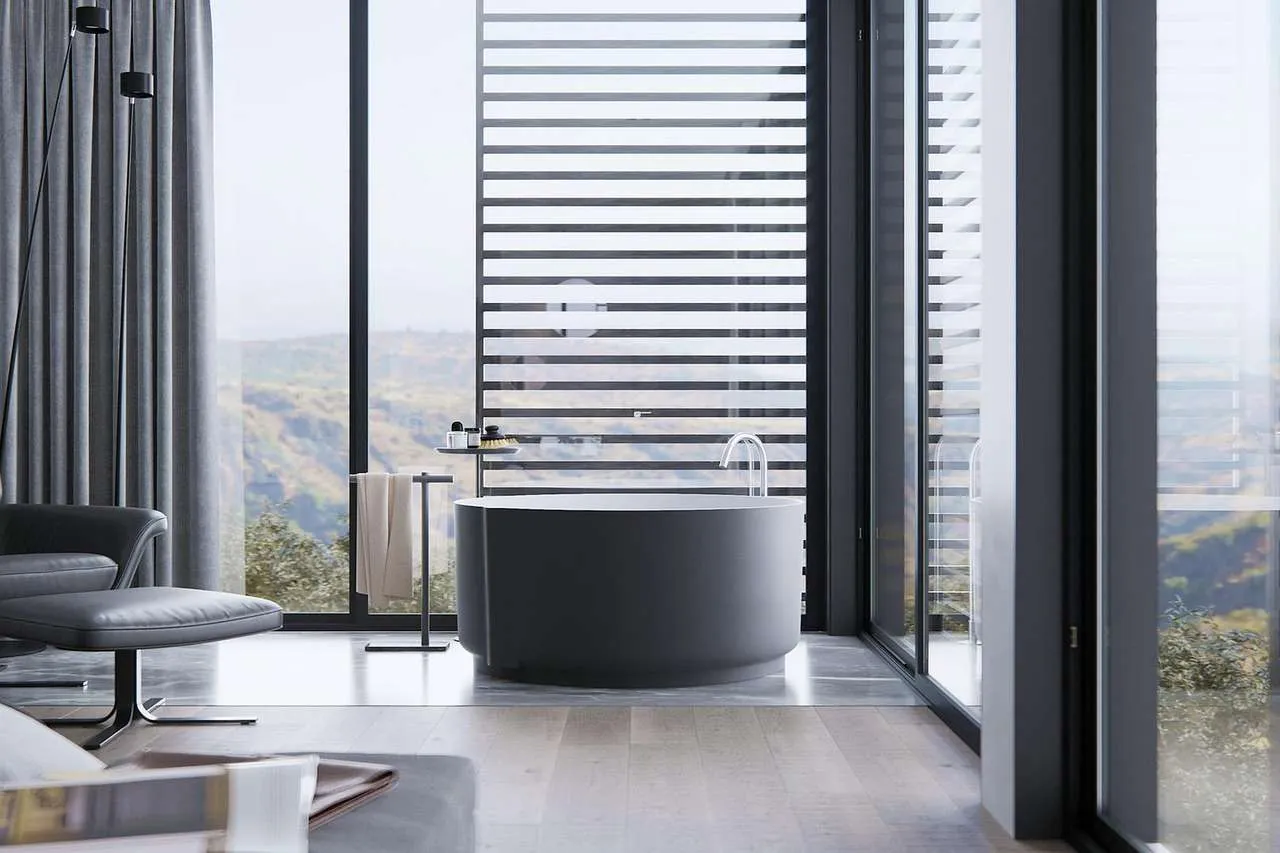
Understanding Home Window Tinting
Home window tinting is the process of applying a thin film to residential windows to reduce heat, block ultraviolet (UV) rays, increase privacy, and improve energy efficiency. As concerns about energy costs and interior comfort grow, more homeowners are opting for window tinting solutions that offer long-term value and protection.
Why Choose Home Window Tinting?
Window tinting is more than just a cosmetic upgrade. It provides practical benefits such as reducing glare, limiting UV damage to furnishings, and lowering cooling bills. By controlling solar heat gain, tinted windows make your home more comfortable year-round.
Types of Window Tinting Films for Homes
Choosing the right type of window film depends on your specific needs. Below is an overview of the most common types used in residential settings:
| Type of Film | Features | Benefits | Best Use |
|---|---|---|---|
| Solar Control Films | Reflect and absorb infrared and visible light | Reduces heat gain, lowers energy bills, minimizes glare | Sun-facing windows in warm climates |
| UV Protection Films | Blocks up to 99% of UV rays | Prevents furniture fading, protects skin | All windows exposed to direct sunlight |
| Privacy Films | Opaque or frosted appearance | Enhances privacy without blocking light | Bathrooms, street-level rooms, home offices |
| Decorative Films | Patterns, textures, and colors | Enhances aesthetics and diffuses light | Feature windows, partitions |
| Security Films | Thick, reinforced layers | Increases glass strength, prevents shattering | Ground floor or vulnerable windows |
Key Benefits of Home Window Tinting
- Energy Efficiency: Reduces the workload on heating and cooling systems by regulating indoor temperature.
- UV Ray Protection: Shields interior furnishings and occupants from harmful UV rays.
- Increased Privacy: Depending on the film type, it offers privacy without sacrificing natural light.
- Glare Reduction: Enhances comfort by reducing reflections and glare, important for screens and TVs.
- Enhanced Security: Security films help hold glass together, offering protection against break-ins and accidents.
- Cost-Effective: Compared to window replacement, tinting is affordable and faster to install.
How to Choose the Right Home Window Tinting Service
Choosing a reputable window tinting professional ensures durability and optimal performance of the film. Consider the following factors:
- Experience and Certifications: Look for companies with proven expertise and certifications from reputable manufacturers.
- Warranty: A solid warranty indicates confidence in the film quality and installation workmanship.
- Product Options: Select firms that offer a variety of films to suit your needs and budget.
- Customer Reviews: Positive testimonials and case studies demonstrate reliability.
- Professional Consultation: Good providers offer an assessment before recommending film types and coverage.
Installation Process in Brief
Professional installation typically involves:
- Cleaning the Windows: Thoroughly cleaning glass surfaces for maximum adhesion.
- Measuring and Cutting: Custom-cutting the film to fit your windows precisely.
- Application: Applying the film carefully to avoid bubbles and creases.
- Curing: Allowing the film time to bond and stabilize, generally a few days.
Comparison of Window Tinting vs. Window Replacement
| Aspect | Window Tinting | Window Replacement |
|---|---|---|
| Cost | Low to moderate | High |
| Installation Time | 1-2 hours per window | Several days |
| Energy Efficiency | Improves by 20-40% | Significant improvement, depends on window type |
| Aesthetic Options | Variety, including decorative films | Many styles and frames available |
| Privacy | Can be customized | Depends on glass type |
Maintenance and Care Tips
To keep window tinting films in optimal condition, follow these tips:
- Wait several days before cleaning newly installed film.
- Use a soft cloth and mild soapy water for cleaning.
- Avoid abrasive cleaners or sharp objects that can scratch the film.
- Inspect films periodically for peeling or bubbles and address issues promptly with your installer.
Conclusion
Home window tinting is a smart investment that enhances comfort, protects your home’s interiors, and reduces energy costs. By understanding the types of films available and choosing a qualified installer, homeowners can enjoy these benefits for years to come. Whether seeking to reduce glare, improve privacy, or increase security, window tinting offers a versatile, cost-effective solution that outperforms many other home improvement options.
Summary: Home window tinting improves energy efficiency, protects interiors from UV damage, enhances privacy, and increases security. Selecting the right type of film and professional installation is key to achieving lasting benefits. Compared to window replacement, tinting is an affordable, quick, and effective way to upgrade your home’s windows.